Cada día que pasa le voy dando más importancia al cuidado que determinadas bodegas le prestan a la visita a sus bodegas.
El negocio de las bodegas está cambiando de forma radical por muchos motivos: porque la competencia se hace más dura, porque al entrar en una competencia globalizada cada vez se hace más importante diferenciarse, porque diferenciarse a través de unas instalaciones modélicas es una tarea más sencilla que hacerlo simplemente por las características de un producto, una etiqueta, una botella, un embalaje, porque disponer de una instalaciones llamativas permite un mucho mejor discurso, porque ya no se trata de convencer a cuatro expertos que consideran que es suficiente el producto para definirse ante él.
Ahora son miles, millones de consumidores que siguen su propio criterio, por lo menos parcialmente. Y muchos de ellos buscan información de primera mano. Algunos con una enorme sensibilidad para catar, pero la mayor parte, que necesitan más referencias para opinar sobre un vino.
Pero siendo importantes las instalaciones lo son tanto o más la calidad del que cuenta la historia y cómo la cuenta.
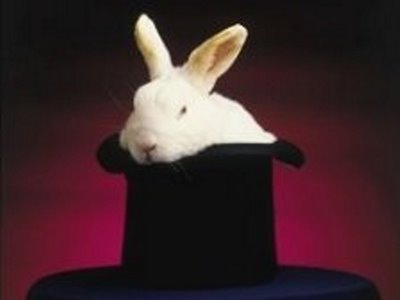
Cuando hablamos de los magos les definimos como ilusionistas. Y son ilusionistas porque con un truco saben adornar una actuación para dejarnos con la boca abierta. Ese ilusionista puede no estar en el entorno más apropiado, pero si tiene una buena historia que contar y la cuenta de forma atractiva y apasionada nos encantará. Ese mago brillará mucho más si lo hace en un reducto apropiado. Recomiendo a los visitantes de Madrid ir a “La Cripta Mágica” en Madrid.
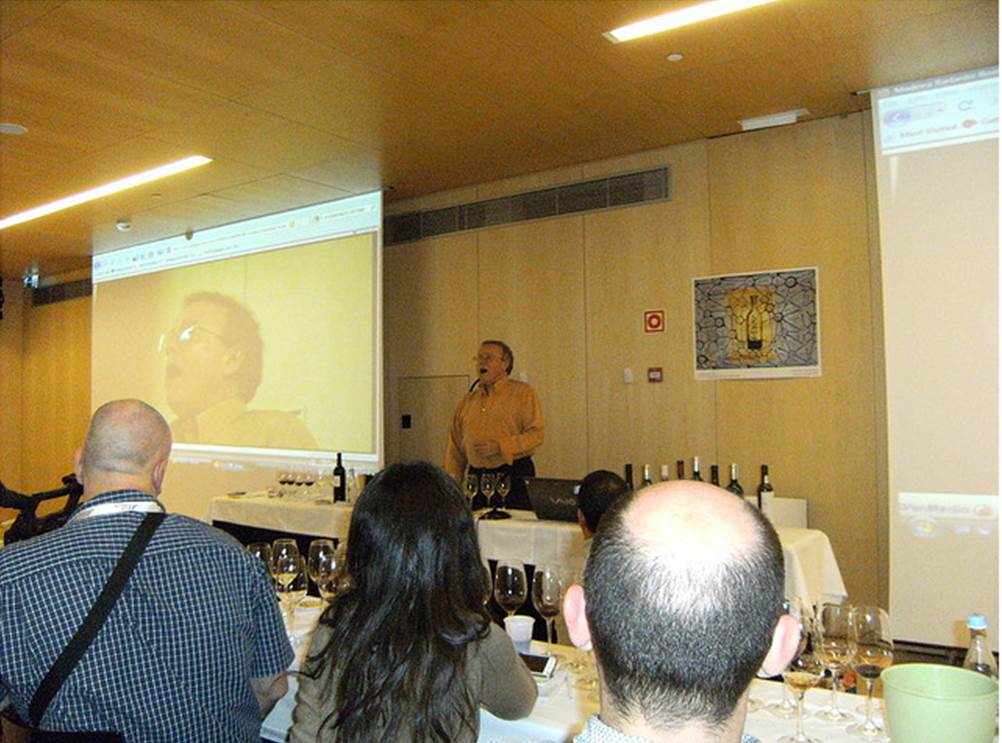
En el mundo del vino no hablamos de trucos, pero hablamos también de ilusionar, de emocionar, de ensalzar y cantar las bondades y pequeños detalles de un vino, de una bodega. Un buen ejemplo de esto es lo que viví con Charles Metcalfe en su presentación en la European Wine Blogger Conference en Lisboa.
Sé que no es lo mismo disponer de alguien tan increíble como Charles para que dé un discurso maravilloso, que contratar a alguien para que haga 200 recorridos al año para una Bodega. Pero de lo que se trata es de acercarse en lo posible a ese tipo de discurso. La mayor parte de las bodegas de cierto tamaño, con buenas instalaciones que mostrar y con buenos conocimientos del Marketing del vino tienen guías con buena formación y aptitudes. Saben que el factor humano hay que cuidarlo.
Procuremos tener unas instalaciones de las que sentirnos orgullosos, pero no dejemos atrás la formación, la motivación , la actitud de nuestros guías. Controlemos la calidad del discurso que realizan, porque con el aumento de las visitas a Bodega, y este es un dato inexorable (19% de crecimiento en número de visitas a Bodegas en el último año), cada vez será más importante esta actividad en la cuenta de resultados.
Solo falta que el número de visitantes se multiplique, que las bodegas se den cuenta de las ventas que pueden hacer con esas visitas, que se den cuenta de lo importante que es mantener una relación directa con sus clientes reales finales y potenciales, (CRM) (Customer Relationship Management) (Gestión de la relación con nuestros clientes) para las ventas en los próximo años, y veremos también a mejores profesionales, mejor pagados, más formados y más motivados en hacer bien su trabajo como elemento clave en la cuenta de resultados de la Bodega.
Tiempo al tiempo. Tempus fugit.
Este post en inglés: The importance of telling a good story, when visiting a winery.
Post relacionados:
Contar mil historias distintas una vez vs contar la misma historia mil veces
La importancia de contar una buena historia.
Solar de Samaniego. Cada vino tiene una historia. Cada historia tiene su vino. En elmundo.es
Visita a Bodegas Marqués de Riscal. Una historia que contar.
Abadía Retuerta. ¿La mejor historia mejor contada?
Foto de: Taringa.net
With each passing day I value more and more the care and diligence with which some wineries treat their visitors.
A winery’s business model is changing radically for a number of reasons: because competition is getting fiercer; because it’s becoming ever more important to differentiate (due to the global marketplace); because it’s easier to differentiate via interesting installations than via the technical characteristics of the product, label, bottle, packaging, etc; because having interesting installations provides a talking point; and because it’s not a question any more of just convincing a bunch of experts that your product is up to scratch.
Now there are thousands, or millions, of consumers out there who follow their own criteria, at least in part, and
Many of them seek first-hand information. Some are experienced tasters, but the vast majority need more varied information in order to be able to form an opinion on a given wine.
But even though the installations themselves are important, I think that even more important is the quality of the story and how it’s told.
When we talk about magicians, we usually define them as illusionists. They are illusionists because they know how to put on a show and leave us gob-smacked. The illusionist may not be working in the perfect setting, but if he has a good story to tell and he tells it passionately and in an interesting way, we lap it up. A magician will shine all the more if he does his thing in the right setting. I recommend visitors to Madrid to see “La Cripta Mágica”.
In the world of wine, we don’t usually talk about tricks, but we do talk about dreams, emotions, fantasies and talking up the qualities and small details of a given wine, or of a given winery. A good example of this is the talk given by Charles Metcalfe the European Wine Blogger Conference in Lisbon.
I know it’s not the same thing to have an amazing personality such as Charles giving one talk, and contracting someone to show visitors round a winery umpteen times a week all year! But the idea is to aim for the quality of that kind of talk. Most wineries of a certain size and with good installations and with some idea of marketing do have good guides who are well trained and a good attitude. The wineries know that you have to cater to the human factor.
It’s good to have installations to be proud of, but let’s not forget about training, motivation and attitude. Keep an eye on what the tour guides actually say, because with the increase in winery visits (datum: 19% increase in visits over previous year), this area will have a significant impact on the bottom line.
It’s a question of time before we see the number of visits skyrocketing, and wineries will catch on to the fact that they can increase sales in their tasting rooms; and they will realize how important it is to establish a direct contact with their potential customers (Customer Relationship Management). We will also see better professionals, who will be better paid, better trained and more motivated to do a good job, as a key element in contributing to a wineries bottom line.
All things come in time. Tempus fugit.
This post in Spanish: La importancia de la calidad del discurso en la visita a Bodega.
Photo from: Taringa.net