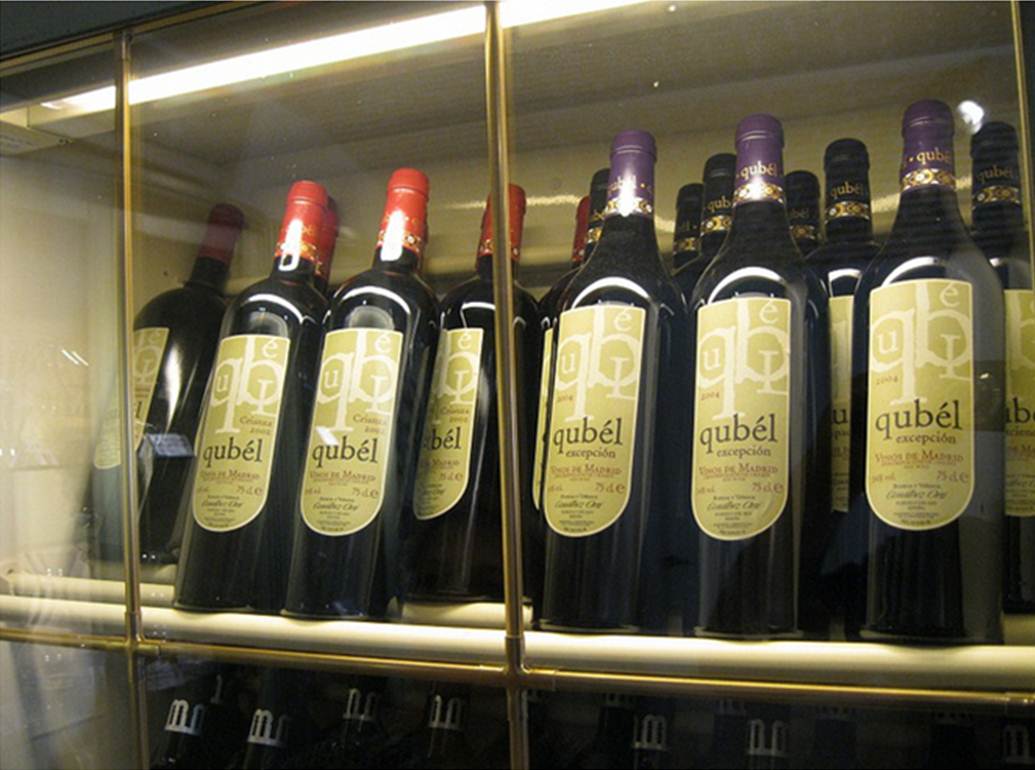
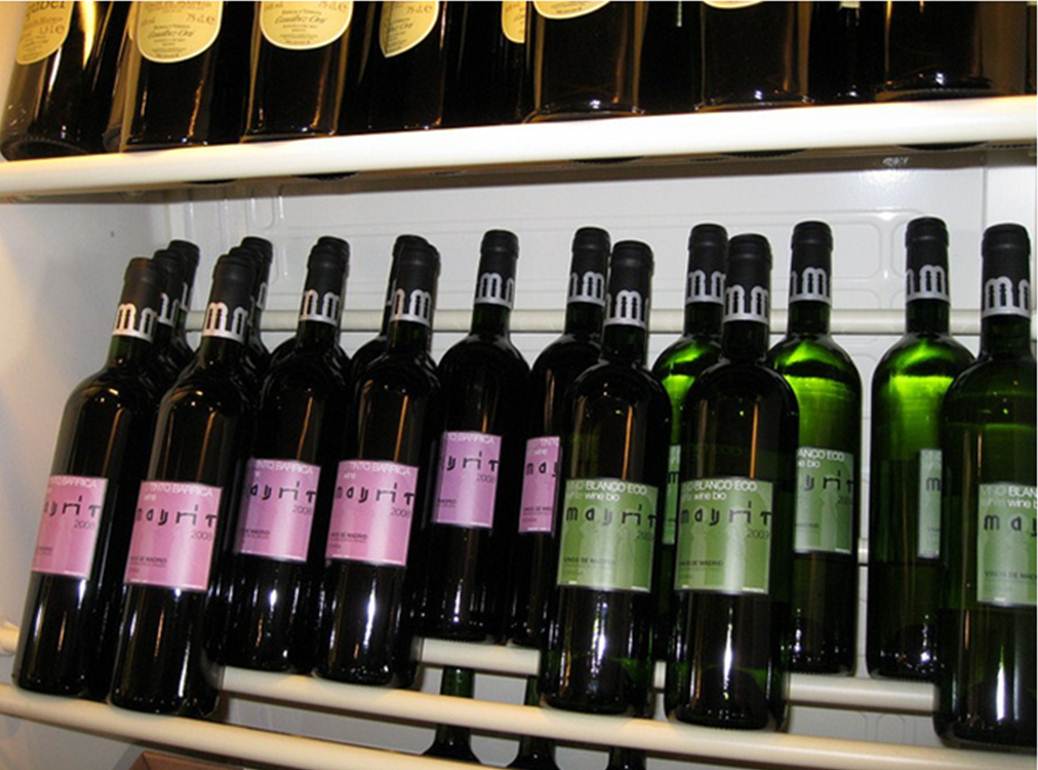
¿Y por qué alguien compraría sus productos por Internet?
Podría ser porque ya conoce el vino o ha visitado sus instalaciones y no tiene ninguna duda de qué producto quiere comprar, tan solo no lo tiene disponible donde el consumidor lo quiere.
O a lo mejor una información más amplia de todo lo que tiene que ver con Bodega Gosálbez Orti
¿Y todo esto para qué?
Pues para acercarse a sus instalaciones y disfrutar de su visita a Bodega o comprar sus vinos a través de sus distribuidores. O incluso, comprar su vino por interneten su nueva tienda digital.
Formadora de Vinos: Actualmente realizando labores de Formación y Análisis Sensorial, sobre vinos y espirituosos.
Después de enamorarme del mundo del vino mientras estudiaba Ingeniero Técnico Agrícola, he continuado mi formación sobre el vino a lo largo de toda mi vida profesional: Master en Viticultura, Enología y Marketing del Vino, WSET Nivel 2 y Nivel 3. Wine & Sprit Education Trust (WSET), Certificado Intermedio y Certificado Avanzado de Vinos y Espirituosos del mundo, Formadora Homologada del Vino de Jerez / C.R.D.O. Jerez, Análisis Sensorial del Vino y de otros Alimentos. Univ. Politécnica de Madrid, Encuentros Enológicos….
Soy miembro de la Unión Española de Catadores desde 1998, participando activamente en catas y viajes por zonas vitivinícolas y también miembro de la Asociación Madrileña de Sumilleres.
Participo como jurado en algunos concursos de vinos y espirituosos, tanto nacionales como internacionales: Premios Baco, Bacchus, Femmes et Vins du Monde….
A lo largo de más de veinte años en el sector del vino, he desarrollado mi trabajo en grandes empresas: González Byass S.A., Vinoselección S.A., Revista Sobremesa, Bodegas Miguel Torres S.A., Unión Española de Catadores, Fundación para la Cultura del Vino, Enoteca Barolo…
Después de diez años realizando labores de formación sobre vinos, en algunas de éstas empresas, en la actualidad trabajo de forma independiente, enseñando a catar vinos: haciendo que la gente conozca, valore y disfrute con todo lo que hay en una copa de vino.
Y ahora intentando aprender algo sobre las catas de aceite
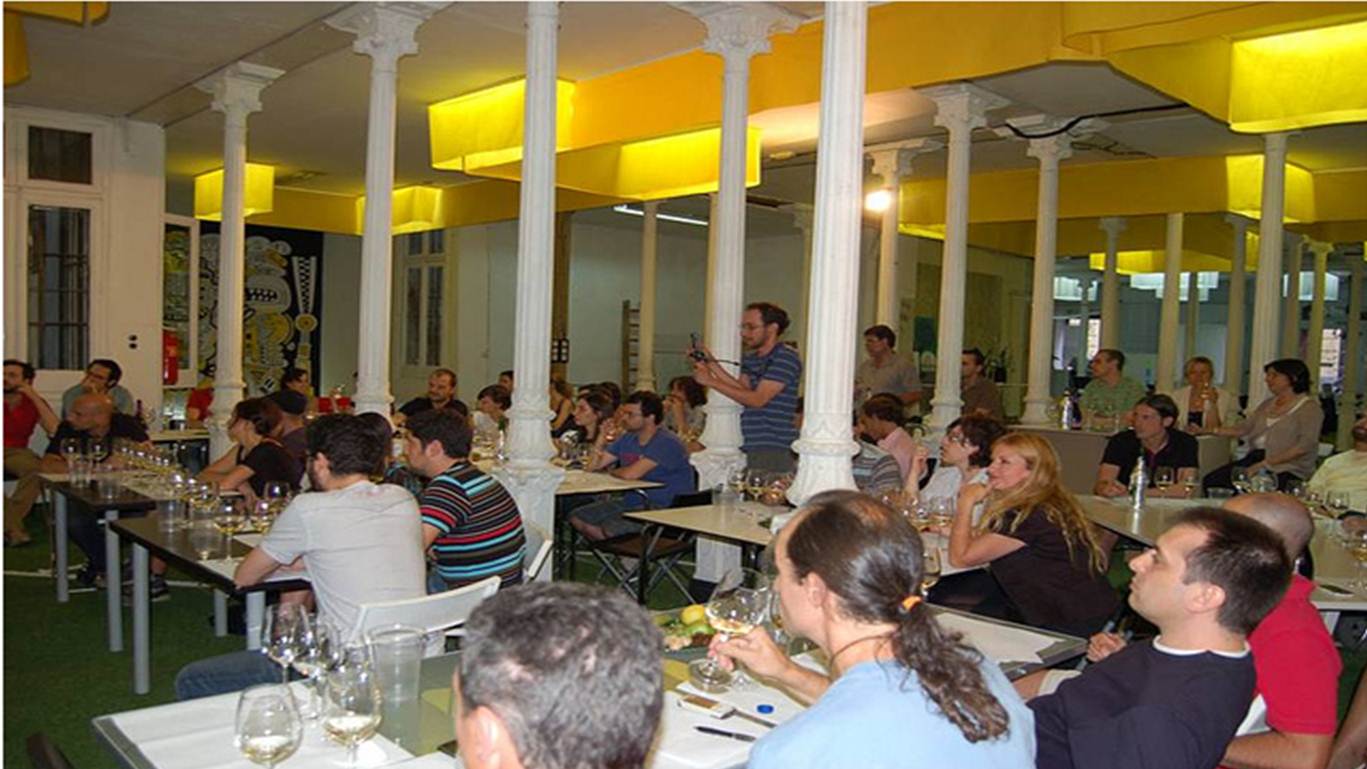
Las catas que organizamos tienen un punto muy especial por: 1) La calidad de los que la dirigen y los vinos que presentan. 2) El entorno mágico que rodea a la sala de Utópicus. 3) El ambiente especial que se obtiene en esta sala y con esta gente. 4) Que luego acabamos siempre en la Cava Baja. Todo esto es una mezcla explosiva. Ver video de cata anteriorhttp://www.youtube.com/watch?v=-0PsLHuCtO4 , ver fotos cata.
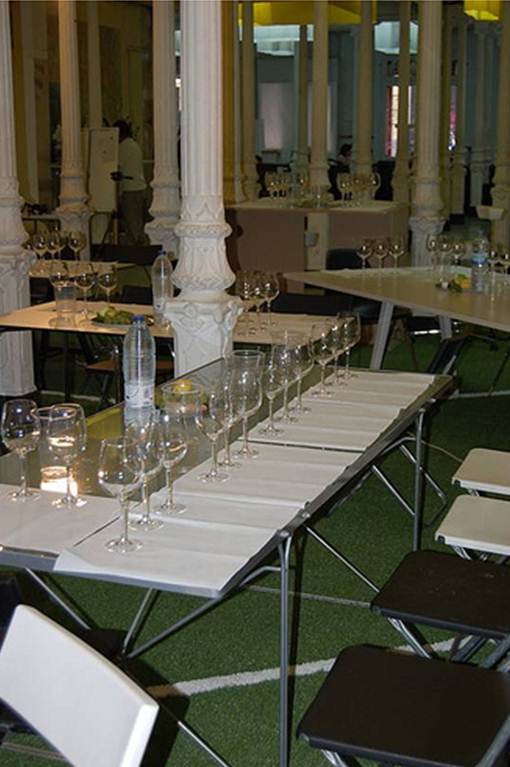
El lunes, 24 de octubre, a las 19,30 horas organizamos con la colaboración deUtopic_US la cata «Taller sensorial del vino 2» en la sala de Utopic_US en C/ Concepción Jerónima 22. (Madrid)
En esta ocasión, y bajo la dirección deLola Núñez Pinto cataremos 5 vinos tintos y un rosado. Lola Núñez Pinto, es una prestigiosa catadora con una inmejorable trayectoria en la cata de vinos españoles. En esta ocasión seremos 60 personas.
Quién es Lola Núñez Pinto (¡¡¡Menudo curriculum!!!) (Posiblemente sea una de las mejores directoras de cata en activo en este país)
Este evento sigue el formato de la cata que realizamos el día 26 de Julio. El evento se llamó Taller sensorial del vino blanco, con un éxito total. Había espacio para 50 personas y allí había 50 personas. 50 personas un 26 de julio con medio Madrid fuera de vacaciones.
Si disfrutaste de la anterior cata te recomiendo que asistas a esta nueva cata. Si tienes amigos que asistieron pregúntales cómo les fue.
El precio de la entrada es de 15 euros por persona con un descuento de 3 euros si lo compras a través de Ticketea. Para comprar entradas por Ticketea pincha aquí:
The tastings we organize are quite special because of:1) The quality of those who lead the tastings
2) The quality of the wines presented3) The magical environment that surrounds the room Utópicus.4) The special atmosphere provided by the attendees.5) The way that afterwards we always go on to the Cava Baja.
On Monday October 24th at 19h30, in collaboration with Utopicus,Utopic_US we are organizing another tasting: “Taller Sensorial del vino 2. in C/ Concepción Jerónima 22. (Madrid)
On this occasion under the direction of Lola Núñez Pinto we will taste five red wines and one Rosé. Lola Núñez Pinto , is a famous wine taster with an excellent track record in the tasting of Spanish wines. We are expecting that about 60 people will attend.
Who is Lola Núñez Pinto Lola Núñez Pinto has an incredible curriculum vitae which reveals her to be probably one of the best active tasting directors in this country.
This event is similar to the previously highly successful tasting held on July 26, which was called “White Wine Sensory Wokshop”. We had space for 50 people – and 50 people came, despite the fact that in mid-July, half of Madrid are away on vacation.
If you enjoyed the previous tasting I highly recommend that you come to this next event. If you missed the previous one but have friends that attended, ask them what they thought!
The ticket price is € 15 per person with a € 3 discount if you buy through Ticketea. To purchase tickets via Ticketea, click here.
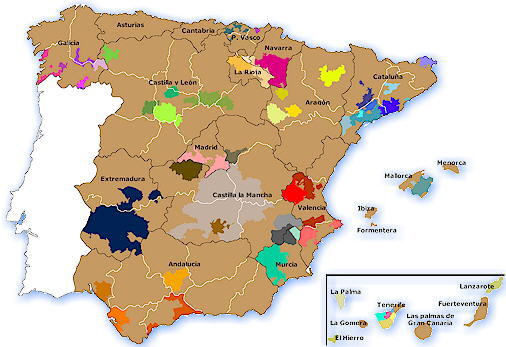
Esta es la pregunta que suelen hacernos en hostelería cuando pedimos un vino tinto. Sin embargo, ¡en España existen más de 60 Denominaciones de Origen! La mayoría completamente desconocidas para el consumidor medio. Cierto es que las grandes, Ribera y Rioja, como en blancos, Rueda o Rías Baixas, son las de las más antiguas y, por tanto, han tenido más tiempo para hacerse un nombre y lograr que los consumidores las vean como marcas de calidad.
Pero no podemos negar la evidencia: los vinos de calidad no sólo existen en la Ribera del Duero o en Rioja. Podemos beber grandes caldos del Tierra del Vino de Zamora, Valdeorras, Jumilla, Utiel-Requena, Ribera Sacra, Abona, y muchas otras. Entonces, ¿por qué no encontramos más referencias en la mayoría de bares y restaurantes? La respuesta es clara, el consumidor va a lo seguro, tiene miedo de arriesgarse y, ante todo, reina un profundo desconocimiento de la gran riqueza que posee España en lo que a variedad de vinos se refiere.
Las Denominaciones de Origen hacen referencia a vinos provenientes de una zona geográfica determinada. La vid es particularmente susceptible de ser diferenciada en zonas distintas, ya que las distintas condiciones de suelo, clima, orografía, prácticas, tanto del viticultor como del elaborador del vino o, incluso, variedades autóctonas de las distintas regiones, hacen posible que podamos obtener vinos completamente distintos en sus cualidades organolépticas y estructura. Todos estos factores hacen de España uno de los países más ricos, en términos vitivinícolas, del mundo.
En conclusión, la pregunta que debemos hacernos es si las “no tan conocidas” D.O.s están haciendo lo necesario para que esta situación cambie. Desde luego, las grandes sí que están moviéndose para mantenerse en la cima y no perder cuota de mercado, con recurrentes campañas de publicidad. Otras como Toro, Vinos de Madrid, Priorat, han dado algunos pasos en el buen camino y, poco a poco, se van haciendo un nombre. Pero dados los recursos existentes hoy en día, con las redes sociales y con internet en general, no se explica esta falta de actuación de las menos conocidas. Los Consejos Reguladores tienen los medios para acceder a un gran público a un click y a un coste menor que hace unos años. No pueden dejar pasar más tiempo sin acceder a la parte del pastel que legítimamente les corresponde, dado el gran esfuerzo que han hecho enólogos y bodegas en obtener una calidad excepcional.
This is always what we are asked when we order a glass of red wine in a bar or restaurant. However, there are more than 60 Appellations of Origin in Spain! Most of which are a complete unknown to the average consumer. Yes, it is true that Ribera and Rioja, or in white wines , Rías Baixas and Rueda, are among the oldest Appellations and therefore have had more time to build a reputation and ensure that consumers see them as quality trademarks.
Yet, we cannot deny the evidence: quality wines exist not only in the Ribera del Duero and Rioja. We can drink great wines from the Tierra del Vino de Zamora, Valdeorras, Jumilla, utiel-Requena, Ribera Sacra, paid, and many others. Then, why is it impossible to find more wine-region references in the majority of bars and restaurants? The answer is clear, consumers prefer to be safe in the decisions, they are afraid of risk, and first and foremost, There is a profound ignorance of the wealth that Spain has in variety of wines.
Appellations of Origin refer to wines from a specific geographical area. The vine is particularly susceptible to be differentiated in various areas, since the different conditions of soil, climate, orography, practices from both, the wine grower and manufacturers of wine, or indeed, landraces in the different regions. All these factors make possible that we get completely different wines, particularly concerning its organoleptic properties and structure. This is why make Spain is one of the richest countries, in wine terms, of the world.
In conclusion, the question we must ask to ourselves is whether the «not well-known» Appellations of Origin are doing what is necessary to ensure that this situation changes. What is clear is that “the big four” Appellations in Spain are taking the steps to stay on top and not to lose market share with huge advertising campaigns. Others, such as Toro, Vinos de Madrid, or Priorat have made some improvements towards the right direction and little by little are achieving a quality trademark. But given the existing resources today, with social networks and the internet in general, this lack of performance of the least known cannot be explained. Regulator Councils have the means to reach a large audience in a click and at a lower cost than a few years ago. They may not waste more time without having access to the part of the cake that they legitimately should own. This is going to be a great challenge but the benefits for them will be huge, given the great effort made by winemakers and wineries in the last years to achieve an exceptional quality.
En España no llegamos al 2% de ventas online. En Francia están ya por el 5% y en USA por el 9%, y previsiblemente el 11 ó 12% el año que viene. Lo que ocurre en USA ocurrirá aquí, antes o después.
Ante estas expectativas de crecimiento han entrado muchas empresas, no solo tiendas puras online, sino tiendas tradicionales que han puesto su versión online, y distribuidores convencionales y hasta bodegas que han pasado a vender también al consumidos final. Este movimiento está cambiando las reglas de juego.
Las ventas por Internet, teniendo un enorme crecimiento no pueden ser la solución para ninguno de los jugadores tradicionales como su salida de la crisis sino una nueva oportunidad, y muy importante para generar visibilidad y marca y conseguir ventas como consecuencia de lo anterior.
El comprador por Internet se rige por otros parámetros distintos de los tradicionales. Primero busca en Google información para hacerse una idea. Y toma decisiones en función de las prescripciones que realizan personas en las que confía. Este comprador confía en este tipo de prescripción más que en la publicidad convencional, en folletos o en los grandes prescriptores del pasado.
Internet posibilita a las bodegas acceder a un colectivo mucho más amplio que antes. Desde Uvinum se anima a todo tipo de consumidores que expresen qué sensaciones les produce catar determinados vinos sin que sea necesario que su paladar, cultura o lenguaje tenga que coincidir con los de los expertos catadores, que suponen únicamente el 2% de los consumidores. Hacer de todo esto algo más sencillo no hace más que ayudar a las bodegas a difundir su discurso, su singularidad, su personalidad. Y esta parte de la esencia del Marketing del Vino.
Las bodegas tienen una historia que contar para diferenciarse de sus competidores y es Internet una herrramienta perfecta para conseguirlo.
Cuando alguien va a un hipermercado puede encontrarse con 1200 referencias. El consumidor, con una oferta tan abrumadora, se perdía. Dentro de Uvinum se da una oportunidad a los visitantes a conocer las opiniones de los expertos y no tan expertos para asesorarse y probar nuevas marcas. De dejar sus comentarios, sean o no expertos en cata. De aprovechar las recomendaciones de otros vinos que Uvinum nos hace teniendo en cuenta lo que otros usuarios similares en cuanto a gustos y preferencias a nosotros han elegido.
Con todo esto la labor de la bodega se vuelve más compleja, pero al mismo tiempo obtiene la posibilidad de ser mucho más responsable de la venta de su producto hasta el consumidor final.
Las nuevas reglas permiten a las pequeñas bodegas poder competir en un mercado cada vez más complicado siempre que no traten de seguir el mismo camino que el de las grandes bodegas.
No hay ninguna duda de que, sea cual sea el presupuesto del que disponga la bodega, siempre es más rentable invertir en comunicación dentro de la red, siempre que se haga con criterio, que hacerlo en medios convencionales.
Estos son los comentarios que me hizo Nico Bour en la entrevista, pero supongo que mejor que leer mi resumen es oir a Nico Bour con sus propias palabras.
“In Spain, less than 2% of our wine sales are online. Compare that to France which already sells 5% online and The USA is already at 9% and likely to reach 11% or 12% in the next year. And, what happens in the US, sooner or later happens here!
“With these growth expectations, many companies are beginning to sell online – and not only pure web-players but also some of the traditional wine shops and conventional wholesalers. Even a few wineries have started and this movement is already beginning to change the rules.
“However, I am sorry to say that this will not offer the solution to the crisis, but it does create a new opportunity and as importantly creates visibility and brand awareness, in addition to revenue.”
Nico continued the discussion around the customers. “The internet wine buyer is different as they are influenced by non-traditional information and settings. First he searches in Google to gather some initial ideas. Then he makes a buying decision based on information from people he trusts. This is very different to making a decision based on advertising, brochures and comments from very well known experts from the past.
“This works in two ways. Now the internet enables wineries access to a much broader customer group than before. In Uvinum we encourage visitors to express their own sensations when they taste certain wines in their own words. That is not the same as telling them what they should experience based on the palate, culture and language of expert wine tasters – which only represents 2% of consumers. Access to this other 98% allows a winery to spread their own story, uniqueness and personality – and this is the essence of wine marketing.
“The wineries have a story to tell to differentiate themselves from their competitors and the internet is the perfect medium for doing this.
“When a wine buyer goes to a supermarket, he can find about 1200 different wines. The consumer can be overwhelmed by this variety. With the help of Uvinum he has the opportunity to access advice from experts and not-so-experts and can be encouraged to try new brands. Whether or not you are an expert, you are invited to leave your comments. Uvinum can also offer recommendations of wines chosen by visitors with similar characteristics .
“Within this new world, the activity of the wineries certainly expands and becomes more complex. But at the same time, the winery then gains the opportunity to interact with the end consumer and take greater control over the sale of his product.
“These new rules allow smaller wineries to compete with the large players without following the same path as them There is no doubt that marketing budget invested in the internet potentially has far greater payback than in the more traditional media.”
These are the comments that nico Bour made to me in the interview. but I guess is better to hear Nico Bour from their own words. (if you understand Spanish. The interview is in Spanish)